
The Paper Plane is a modern classic that takes bourbon in a direction you might not expect. Made with equal parts bourbon, Aperol, amaro, and fresh lemon juice, it’s a bittersweet cocktail with a bright citrus finish. And despite the bourbon being one of its four main ingredients, it doesn’t necessarily taste like a whiskey-forward drink. (See also: Fancy Free cocktail)
For this version, I’m using Wild Turkey 101 and Amaro Montenegro instead of the traditional Amaro Nonino. The result is a cocktail where the Italian ingredients take center stage and the bourbon is content to play a supporting role.
A Little Paper Plane History
The Paper Plane was created by bartender Sam Ross around 2007–2008 for The Violet Hour in Chicago. Ross, who also created the Penicillin cocktail, originally used Campari before switching to Aperol for a less bitter result.
The cocktail was inspired by the Last Word, a much older drink made with gin, green Chartreuse, maraschino liqueur, and lime juice. Interestingly, the Paper Plane shares none of those ingredients. What it borrows is the equal-parts formula, with four ingredients working together in the same proportions.
The name comes from the M.I.A. song “Paper Planes,” which Ross was listening to while developing the drink.
Why Amaro Montenegro?
The standard Paper Plane calls for Amaro Nonino, an Italian amaro known for its bittersweet, herbal, and citrus characteristics. It’s also a bottle that can be relatively expensive and sometimes difficult to find.
Amaro Montenegro offers an alternative, although the flavor profiles aren’t identical. Montenegro brings its own orange, herbal, and floral notes to the cocktail. It’s a substitution worth considering if you already have a bottle or don’t particularly want to purchase Nonino for a single recipe.
How Does It Taste?
This isn’t a particularly bourbon-forward cocktail, even when made with Wild Turkey 101.
The Aperol and Montenegro are the first flavors to make themselves known, bringing a combination of sweetness, bitterness, and herbal character. The bourbon is surprisingly restrained, providing a solid base without demanding much attention.
Then comes the lemon. Its citrus character becomes especially noticeable on the finish, providing a pleasant contrast to the bittersweet ingredients. (See also: Rhinestone Wranger cocktail)
For a bourbon cocktail, it’s a somewhat unexpected experience. But the combination works, and there’s something to be said for a recipe that doesn’t require any adjustments.
Four ingredients, equal measures, and a quick shake. Sometimes that’s enough.
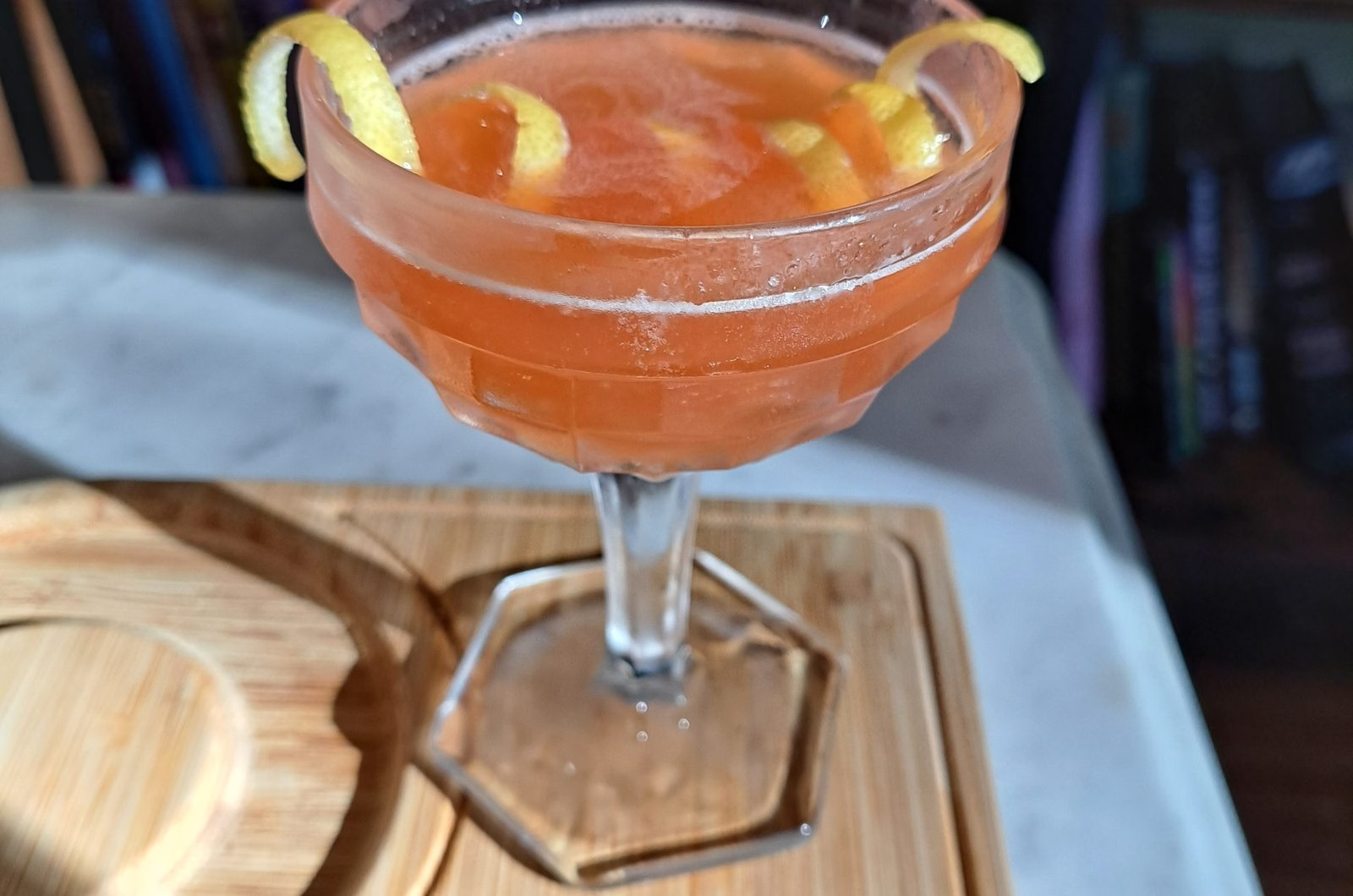
Paper Plane Cocktail with Amaro Montenegro
1
servings5
minutes5
minutesThe Paper Plane combines bourbon, Aperol, Montenegro, and lemon in equal parts for a bittersweet cocktail with a citrus finish.
Keep the screen of your device on
Ingredients
0.75 ounce 0.75 ounce Wild Turkey 101 Bourbon
0.75 ounce 0.75 ounce Amaro Montenegro
0.75 ounce 0.75 ounce Aperol
0.75 ounce 0.75 ounce lemon juice
Lemon peel for garnish
Directions
- Add all ingredients to a shaker with ice
- Shake until well chilled
- Pour into chilled cocktail glass
- Garnish with lemon peel
Equipment
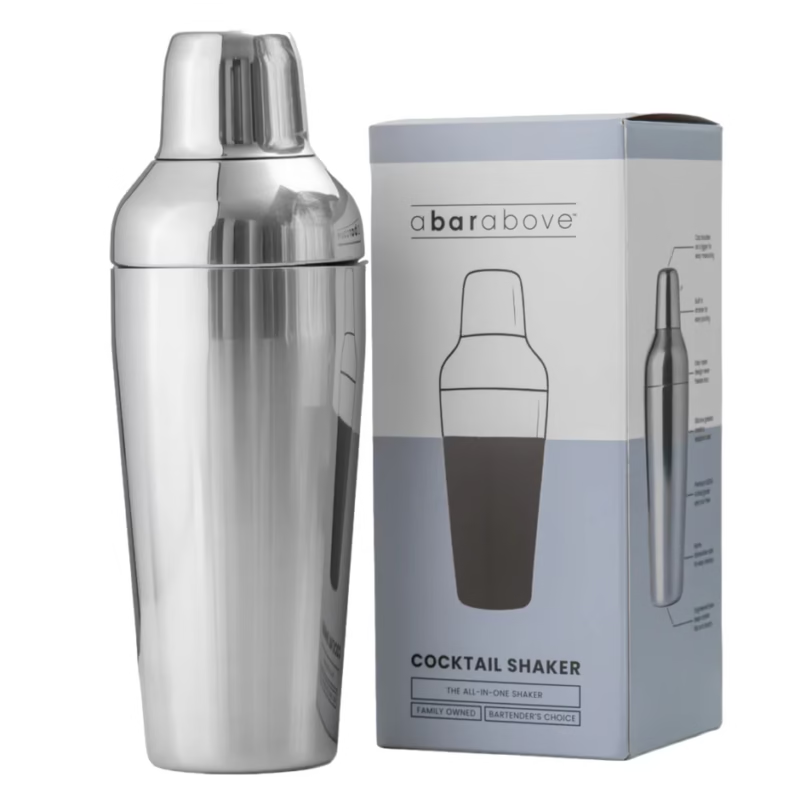 Cobbler ShakerCobbler Shaker
 Silicone Bar MatBuy From A Bar Above
 Stainless Bell JiggerBuy From A Bar Above
 Stainless Boston ShakerBuy From A Bar Above
 Stainless Fine Mesh StrainerBuy From A Bar Above
Notes
- Amaro Nonino is the traditional choice for the modern Paper Plane, but Montenegro makes a worthwhile alternative. The two aren’t identical, and I wouldn’t claim one is better than the other without tasting them side by side.




Leave a Reply